Florida Bar Exam Essay Predictions Feb 2026
Final 3 Weeks? Clarify Florida Rules Now.
If you’re using Barbri or Themis but still feel unsure about Florida high-tested topics, our Florida-focused guides are designed to help you organize and reinforce the rules that matter most in the final stretch.
In this article
Preparing for the Florida Bar Exam means balancing a wide range of subjects, distinctions, and testing patterns — and knowing where to focus can make a meaningful difference in your study plan. While no one can predict the exact essay topics that will appear, clear patterns do emerge when you study the last 10 years of Florida essays.
We analyzed a full 10-year span of Florida Bar Essay data, looking closely at subject frequency, rotations, omissions, and the ways topics commonly appear together in fact patterns. Our Florida Bar Essay Trends analysis includes the complete data set that informs these predictions. This February 2026 guide highlights the subjects and combinations that appear most likely, along with high-probability wildcards and practice prompts to help strengthen your writing.
These predictions are designed to help you study strategically — not replace comprehensive preparation, but guide it. Use them to prioritize your time, reinforce areas that need tightening, and build a focused plan for the February 2026 exam.
Prediction 1: Real Property with Homestead and Wills and Estates
Real Property is one of the most consistently tested subjects on the Florida Bar Exam — and February cycles almost always include a property-based essay. For February 2026, the data points toward a Real Property question that incorporates Homestead and Wills/Estates concepts, especially given the Board’s shift away from Trusts on the essay portion.
Over the last decade, the examiners repeatedly combined Real Property issues with estate elements such as will execution, devise restrictions, spousal rights, and homestead descent. That pattern becomes even stronger after the Board announced that Trusts will be tested primarily through multiple-choice, leaving Wills and Homestead as the natural estate-related subjects for the essay section.
What to expect:
A property dispute involving ownership, conveyances, or estate transfers that triggers Florida homestead rules and will-related questions. The fact pattern will likely raise issues connected to:
- Homestead devise restrictions (surviving spouse/children; invalid attempts to convey)
- Improper or ineffective devises (minor child, unlawful disinheritance, partial invalidity)
- Will execution requirements (presence, witness formalities, signature placement)
- Tenancy types (Life estates, remainders, and vested vs. contingent interests)
- Mortgage or foreclosure complications (priorities, notice, equity of redemption)
- Joint ownership problems (tenancy by the entirety, joint tenancy, severance events)
- Land sale contract formalities (SOF compliance, enforceability, remedies)
- Recording act issues (notice, competing claims, bona fide purchaser status)
Why it ranks high:
Although Real Property has appeared heavily in July over the last several exam cycles, the broader 10-year trend shows that the examiners often rebalance subjects between administrations to avoid repeating the same testing patterns. Real Property hasn’t been the primary focus of a February essay since 2018, and this kind of rotation cycle makes a winter return more plausible.
With Trusts now primarily tested through multiple-choice, estate-related issues such as Wills and Homestead are more likely to appear inside a Real Property fact pattern — a combination the Board has returned to repeatedly.
Together, the rotation pattern and the restructuring of Trusts make a Real Property + Wills/Homestead crossover a strong candidate for February 2026.
Looking for Real Property Practice Essays? Start Here.
These are the strongest Real Property essays to practice if you want to build pattern recognition for February — especially for homestead, easements, mortgage priority, recording, and future interests (all highly tested themes).
- July 2025 – Covenants, Easements, Homestead, Recording, Remainders (with Ethics)
- July 2024 – Landlord/Tenant + Premises Liability (habitability, constructive eviction)
- July 2023 – Future Interests + Land Sale Contract + Statute of Frauds + Damages
- July 2022 – Seller Disclosure, Latent Defects, Misrepresentation, SOF, Liquidated Damages (with Ethics)
- Oct 2020 – Homestead, TBE, Mortgage Priority & Foreclosure + Ethics
- July 2019 – Easements, Purchase-Money Mortgage, Due-on-Sale, Foreclosure Mechanics
- Feb 2018 – Mortgage Priority, Negotiable Instruments, Lost Note, Homestead, TBE
- Feb 2017 – Joint Tenancy, Life Estates, Tax Deeds, Leases, Mortgages (with Ethics)
- Feb 2015 – Installment Land Contract, Equitable Conversion, Easements, Homestead, TBE
Prediction 2: Florida Constitutional Law with Local Government / Access to Courts / Rights
Florida Constitutional Law is one of the most frequently tested essay subjects in the last decade, and the examiners tend to rotate through several familiar themes: local government authority, access-to-courts challenges, due process, Sunshine/open-meetings issues, and procedural irregularities in government action. Based on the 10-year trend data, a Florida Con Law question in February 2026 is highly likely — and the strongest pattern points toward a local-government-based regulation that triggers multiple constitutional issues.
Over the years, the Board has repeatedly paired local government power with individual constitutional rights, particularly in February cycles. These fact patterns often involve a city or county ordinance that pushes (or exceeds) local authority, creating a scenario that naturally raises questions about Access to Courts, Sunshine Law violations, procedural due process errors, and equal protection challenges. The examiners frequently embed practical government-lawyer problems as well — especially conflicts of interest or improper government conduct.
What to expect:
A city or county enacts a new ordinance or agency procedure that directly affects individual rights. The fact pattern will likely raise issues connected to:
- Access to Courts (administrative barriers to judicial review or extinguishing causes of action)
- Local Government Authority (home rule limits, preemption, permissible scope of municipal regulation)
- Procedural Due Process (whether adequate notice and hearing were provided)
- Florida Privacy Rights (if the ordinance touches personal autonomy or data)
- Equal Protection (treating groups differently without sufficient justification)
- Sunshine/Open Meetings (private deliberations or improper decision-making outside public view)
- Ethics/Professional Responsibility for government attorneys (conflicts, improper influence, or advising elected officials)
Why it ranks high:
The last decade shows repeated February essays built around local government action, access-to-courts challenges, and procedural due process issues. When the Board wants a doctrinally rich, Florida-specific question, this is one of their most reliable patterns.
Florida Constitutional Law did appear in July 2025, but that question leaned heavily toward federal constitutional analysis and ethics, not local-government powers. Historically, when a July exam tests Con Law in a federal or hybrid posture, the following February often brings a pure Florida Con Law essay centered on municipal authority and individual rights.
Given the strong February trend involving local ordinances, due process, access to courts, and Sunshine/Open Meetings issues, this combination remains one of the highest-probability candidates for February 2026.
Looking for Florida Con Law Practice Essays? Start Here.
If you want to train your timing and pattern recognition, these are the best recent Florida Con Law essays to practice — especially those involving local government, due process, access to courts, and Sunshine/Open Meetings issues.
- Feb 2025 – Florida Con Law + Criminal Procedure (Privacy & Access to Courts)
- July 2025 – Florida & U.S. Con Law (Equal Protection, Free Exercise, Standing)
- Feb 2022 – Local Ordinance + Due Process + Access to Courts
- Feb 2020 – Municipal Power + Due Process + Equal Protection + Bail
- Feb 2018 – Florida Privacy + Access to Courts + Individual Rights
- July 2017 – Municipal Curfew Ordinance + Sunshine + Ethics
- Feb 2017 – Local Government + Sunshine/Open Meetings
Prediction 3: Torts (Premises Liability/Negligence) with Professional Responsibility
Torts is one of the most reliable February subjects on the Florida Bar Exam, and the 10-year trends show that February essays frequently feature negligence or premises-liability fact patterns (including 2019, 2020, 2022, and 2023). These questions let the examiners test multiple Florida distinctions in a single, straightforward scenario — making Torts a strong candidate for February 2026.
Recent cycles show a preference for Torts essays that blend premises liability, foreseeability, multiple negligent actors, comparative fault, and damages. These fact patterns allow the Board to hit duty, breach, causation, harm, and Florida’s comparative negligence—all in one essay.
What you’re most likely to see:
A multi-actor accident on business or residential property involving:
- Duty to business invitees (inspection, warning, maintaining safe premises)
- Constructive notice (recurring conditions, employee proximity, time-on-floor analysis)
- Foreseeability and scope-of-risk analysis
- Comparative negligence (plaintiff failing to use care, distractions, safety issues)
- Multiple tortfeasors (store owner, employee, contractor, tenant, third party)
- Causation complications (intervening acts, two-accident problems, eggshell plaintiff)
- Damages (economic, non-economic, consortium, emotional harm)
Additional elements that often appear:
These sometimes appear in February Torts essays but are not required for full credit:
- Negligent hiring or negligent entrustment
- Business owner’s nondelegable duty
- Premises liability defenses (“open and obvious,” posted warnings)
- Punitive damages (gross negligence vs intentional misconduct)
Ethics(possible but not required):
Ethics only shows up in Torts if the story places a lawyer inside the fact pattern — usually involving improper referral fees, advertising guarantees, or mishandling settlement funds. If the examiners want to add a small scoring boost opportunity, this is where they’d place it.
Why it ranks high:
There was no classic negligence or premises-liability essay in July 2025, and Torts has appeared regularly as a February subject over the last decade. After two consecutive February exams without a Torts primary essay (2024 and 2025), Torts is well positioned to return to the rotation. It also remains one of the examiners’ easiest ways to test Florida-specific distinctions without relying on complicated statutory frameworks, which makes a Torts essay a strong contender for February 2026.
Looking for Torts Practice Essays? Start Here.
These are the best Torts essays to practice if you want to build pattern recognition for February. They cover the fact-pattern themes that the examiners return to over and over: premises liability, comparative negligence, foreseeability, multiple negligent actors, punitive damages, and ethics built into the fact pattern.
Practice These First (High Relevance for February):
- Feb 2023 – Negligence + Allergic Reaction Liability + Defamation + Ethics
(Comparative fault, bystander NIED, defamation by media defendants, improper referral-fee split) - Feb 2022 – Negligence + Premises Liability + Releases + Punitive Damages
(Business invitee duties, constructive notice, intoxicated actors, enforceability of exculpatory clauses) - Feb 2020 – Premises Liability + Comparative Negligence + Ethics
(Transitory foreign substance, constructive notice, nondelegable duties, contingency fee ethics, settlement issues) - Feb 2019 – Premises Liability + Causation Complications + Ethics
(Slip-and-fall, constructive notice, second accident causation, referral-fee compliance)
Additional Strong Torts Essays to Review:
- July 2023 – Negligence + Wrongful Death + Dangerous Instrumentality + Ethics
(Owner liability, punitive damages, loss of consortium, targeted solicitation) - July 2016 – Products Liability + Negligence + Ethics
(Design defect, failure to warn, negligent installation, comparative negligence, contingency-fee rules) - July 2015 – Negligence + Strict Liability + Wrongful Death + Ethics
(Auto defect, sovereign immunity elements, recall notice, contingency fee and malpractice issues)
How to Use These Predictions in Your Study Plan
These predictions aren’t meant to replace full-scope preparation — they’re meant to help you study with intention. The Florida Bar Exam rewards clear writing, strong organization, and confident use of Florida-specific rules. Here’s how to use these predictions strategically in your study plan:
Prioritize the highest-probability subjects first
Start with the subjects most likely to appear this cycle. Write at least one full essay in each predicted area, then outline two or three more. This sharpens your timing and helps you build depth where it matters most.
Create short, targeted issue checklists
For each predicted subject, make a quick list of the must-hit issues — for example, homestead → devise restrictions → effect of invalid devise.
These mini-checklists make memorization easier and keep your essays organized under timed conditions.
Practice spotting likely crossovers
Most Florida essays combine subjects. Real Property often blends with Wills or Estates; Florida Constitutional Law frequently mixes with local government powers or privacy rights.
Use predictions to anticipate the pairings most likely to show up and strengthen your ability to transition cleanly between rules.
Tighten your weaker areas within the predicted subjects
Predictions highlight where your score can move the fastest. If Torts is likely and you struggle with causation or premises liability, spend extra time shoring up those rules and practicing those fact patterns.
Keep the remaining subjects warm
Predictions guide your focus — but you still want basic fluency across all essay subjects. Quick outlines or short practice scrambles in the non-predicted areas help prevent blank-page panic.
Let predictions shape your final 2–3 weeks
As the exam approaches, shift more of your timed essays toward the predicted clusters. This improves your speed, structure, and rule recall in the subjects most likely to be rewarded.
Pair predictions with strong essay technique
Knowing what to study is only half of it — how you write matters just as much.
If you haven’t seen it yet, our guide on Writing the Best Responses for FL Bar Exam Essays breaks down Florida-specific IRAC structure, organization tricks, and what graders want to see. Using that guide alongside your predictions gives you both strategy and execution.
Use predictions as strategy, not certainty
No resource can tell you exactly what will appear. But data helps you study smarter, reduce wasted time, and reinforce the Florida rules that examiners consistently return to — especially in February cycles.
Three Weeks Left? Here's What to Focus On.
If you’re already using Barbri or Themis but feel unsure about Florida subjects, our Florida-specific guides are designed to help you organize those subjects clearly in the final stretch.
Important Note on Using Older Essays for Practice
Florida law evolves, and some earlier released essays apply doctrines that are no longer the current law, particularly in Torts. For example, in March 2023, Florida adopted a modified comparative negligence system (House Bill 837), replacing the old pure comparative negligence rule that appears in many older essays.
When reviewing past exam essays, always make sure to:
- Verify whether the rule in the model answer is still the rule today.
- Update your analysis if a doctrine has changed (e.g., comparative negligence, punitive damages standards, negligent security presumptions).
- Apply the current version of Florida law on the February 2026 exam, not the version used in older essays.
The FBBE model answers are helpful for structure, but they do not update their older answers to reflect new statutes—so rely on them for format and reasoning, not as a statement of current law.
Where Ameribrights Fits In
Most students don’t struggle because they’re unwilling to work — they struggle because the bar exam is overwhelming to organize, especially when you’re trying to figure out which subjects matter most, how Florida rules differ from the MBE, and what graders actually reward in essays.
Ameribrights exists to make that part easier.
Our role in your study plan is simple:
- Clarify what Florida actually tests.
Our Florida-specific guides walk through the rules, distinctions, and high-frequency topics the exam returns to year after year. They’re designed so you can review a subject quickly and feel confident you’re studying the right material. - Turn complex information into manageable steps.
Whether it’s issue checklists, MBE subject maps, or practice essay prompts, our materials help you focus your study time instead of getting stuck wondering where to begin. - Support your essay writing.
Our article on writing strong Florida essays breaks down a simple IRAC structure tailored to how Florida graders evaluate responses — something you can apply to every predicted topic. - Meet the needs of first-timers and retakers.
If you’ve taken the exam before, you already know where the pain points are. Our guides, tools, and Q&A explanations are built to help you fill in gaps, rebuild confidence, and create a plan that feels realistic.
At the end of the day, Ameribrights isn’t here to sell you a feeling of certainty — just to give you the clarity, structure, and Florida-specific guidance that make your study time count.
The exam is still hard, but you don’t have to navigate it alone.
Final Thoughts
You don’t control what appears on the exam, but you do control how deliberately you prepare for it. Predictions give you a clearer starting point, not a guarantee — a way to focus your energy on the subjects and patterns Florida has tested most consistently. Pair that strategy with deliberate essay practice, strong Florida rule recall, and a realistic weekly plan, and you put yourself in the best position to perform on exam day.
Study steadily, write often, and keep your attention on progress instead of perfection.
Whether this is your first attempt or your fifth, you are not starting from zero — you’re building on everything you already know.
And if you ever need structure, clarity, or guidance along the way, Ameribrights is here to help you make each study day count.
You’ve got this.
Florida Bar Exam and MBE Study Guides
-
Bar Exam Preparation
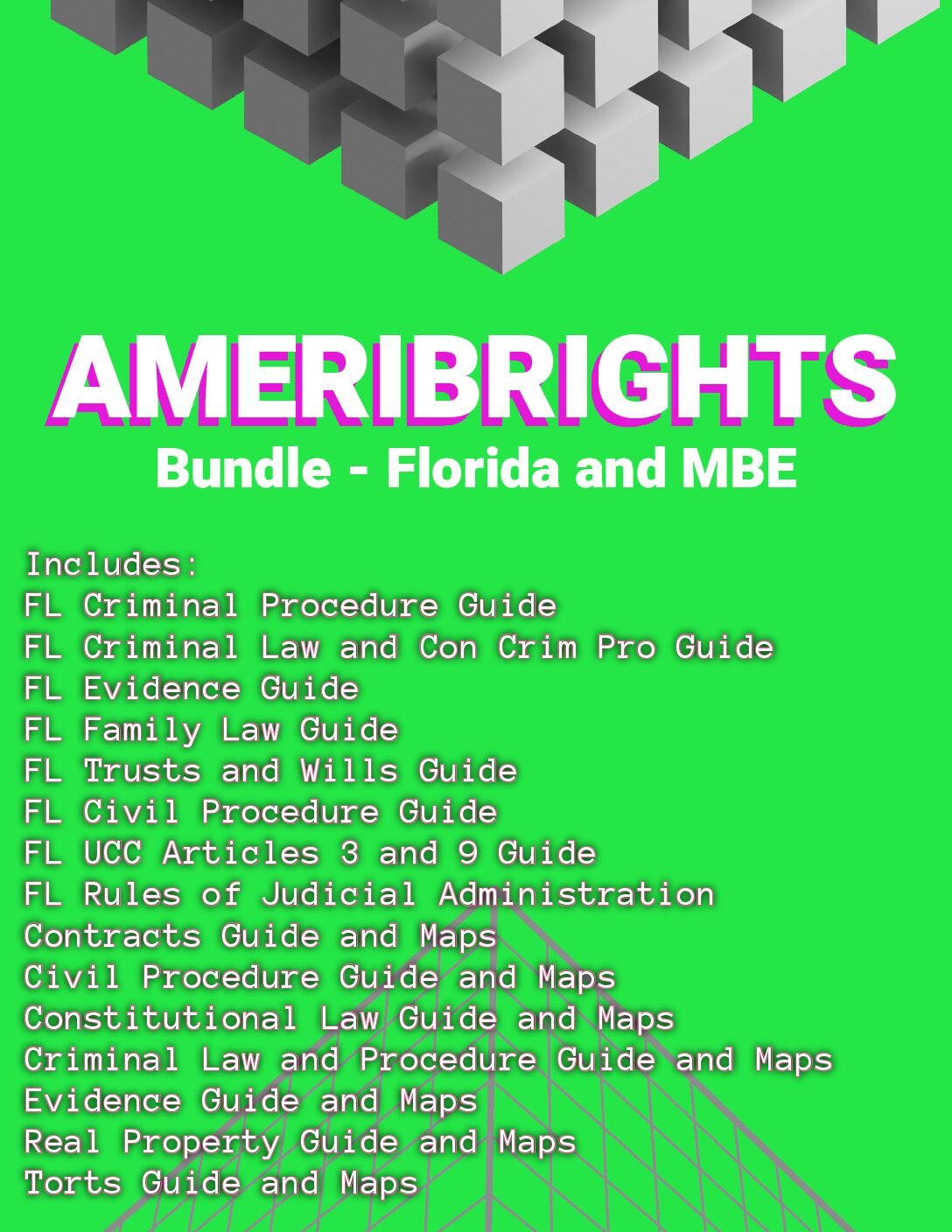
Florida and MBE Ultimate Study Guide Bundle
$875.00Original price was: $875.00.$599.00Current price is: $599.00. Add to cart -
Bar Exam Preparation
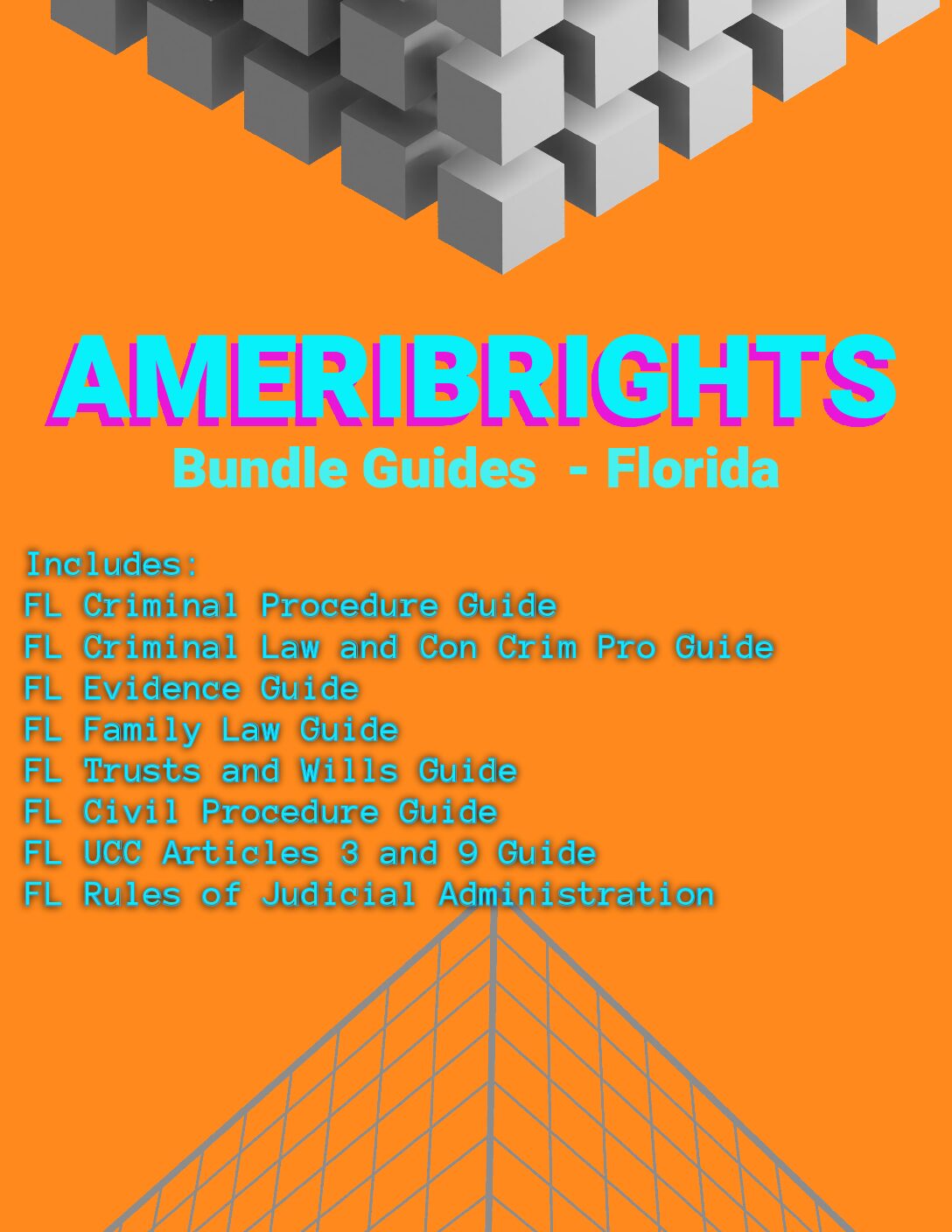
The Ultimate Florida Bar Exam Study Guide Bundle
$392.00Original price was: $392.00.$299.00Current price is: $299.00. Add to cart
Best Florida Bar Exam Study Resources
- Florida Bar Exam Complete Guide
- Florida Bar Exam Bundle
- Florida Bar Exam Scoring: What You Actually Need to Pass
- Free Study Planner
- Bar Exam Memory Tips: Memorization Made Easy
- How to Prepare Last Minute: FL Bar Exam Tips
- FL Bar Exam Evidence Privileges: What You Need to Know
- How to Study for the FL Bar Exam in 60 Days
- Succeed on the FL Bar Exam: Topics, Scoring, and More